
[:en]UNESCO World Heritage Sites in the Peloponnese[:el]Μνημεία Παγκόσμιας Πολιτιστικής Κληρονομιάς της UNESCO στην Πελοπόννησο[:]
[:en]Here are the notable UNESCO World Heritage Sites in the Peloponnese:
Archaeological Site of Mystras
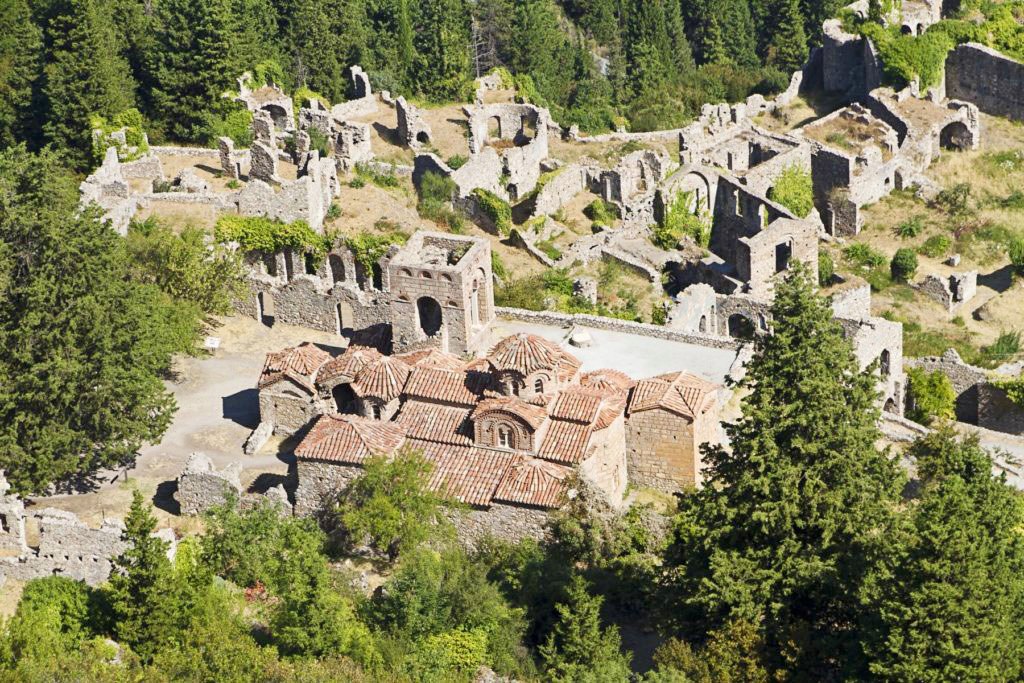
The Archaeological Site of Mystras, located near Sparta in the Laconia region of Greece, is a UNESCO World Heritage Site known for its well-preserved medieval Byzantine architecture and historical significance. Founded in the 13th century, Mystras became an important cultural and political center during the Byzantine period, particularly under the Palaiologos dynasty. The site features a stunning array of churches, palaces, and fortifications, with notable structures including the Church of Agios Demetrios and the Palace of the Despots. Visitors to Mystras can explore its cobbled streets and enjoy breathtaking views of the surrounding landscape while gaining insight into the rich history of Byzantine civilization. The blend of natural beauty and architectural grandeur makes Mystras a captivating destination for history enthusiasts and travelers alike.
Archaeological Site of Olympia
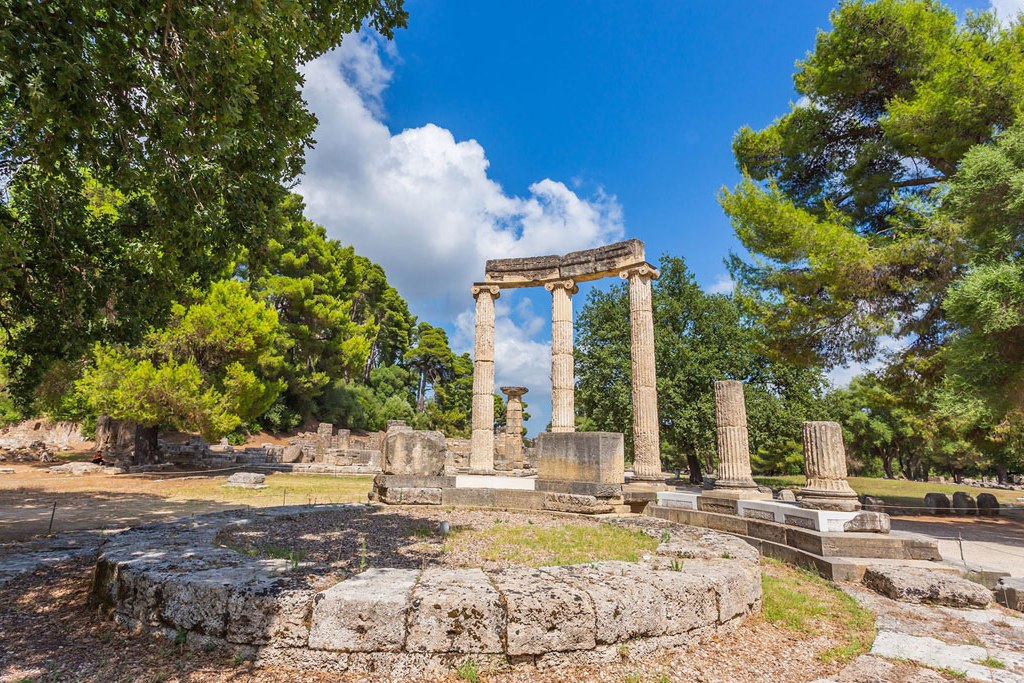
The Archaeological Site of Olympia, located in the Ilia region of the Peloponnese, Greece, is one of the most significant historical sites in the world, renowned as the birthplace of the Olympic Games. It was the center of worship for Zeus and featured grand structures, including the Temple of Zeus, which housed a monumental statue of the god, one of the Seven Wonders of the Ancient World. The site includes well-preserved remains of the ancient stadium, where athletes from various Greek city-states competed every four years starting in 776 BC, as well as training facilities and multiple temples. The site is part of a larger archaeological complex that reflects ancient Greece's cultural and religious practices and its contribution to athleticism and competition. Designated as a UNESCO World Heritage Site, Olympia attracts visitors eager to explore its rich history and the legacy of the Olympic Games.
Archaeological Sites of Mycenae and Tiryns
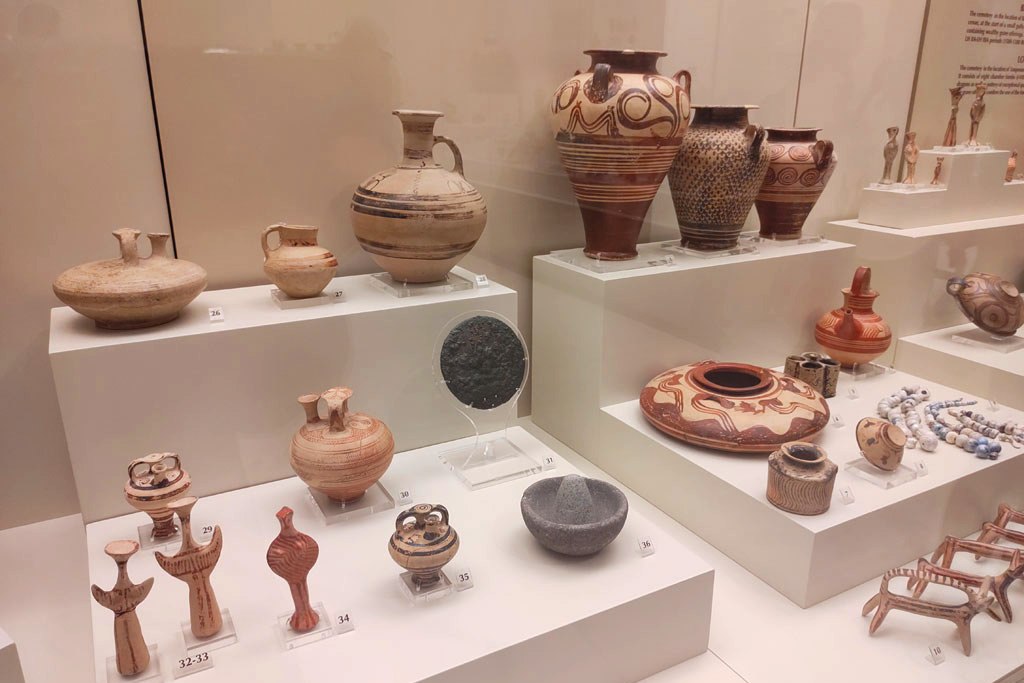
The Archaeological Sites of Mycenae and Tiryns, both located in the Argolida region of the Peloponnese, Greece, are significant remnants of Mycenaean civilization, which thrived from approximately 1600 to 1100 BC.
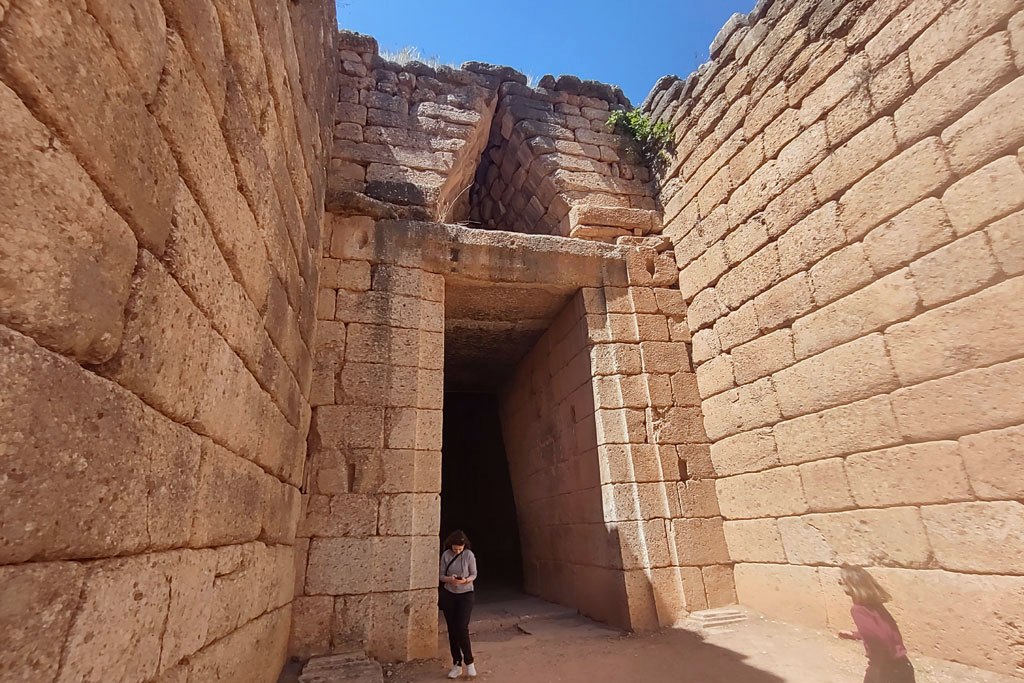
Mycenae is renowned for its impressive architecture, including the iconic Lion Gate, the grand Treasury of Atreus, and the remains of cyclopean walls. It was a major center of trade and military power and is often associated with the Homeric epics. The site is linked to legendary figures, including Agamemnon, and offers insights into early Greek culture, politics, and art.
Tiryns, known for its massive fortified walls constructed of large stone blocks, showcases the advanced engineering skills of the Mycenaeans. The site includes remnants of palatial structures, storage rooms, and a well-defined layout. Tiryns was strategically important due to its location and served as a key player in the political landscape of Mycenaean Greece.
Both sites are designated as UNESCO World Heritage Sites, recognized for their cultural significance and contribution to understanding the ancient Greek world. They attract visitors interested in history, mythology, and archaeology.
Sanctuary of Asklepios at Epidaurus
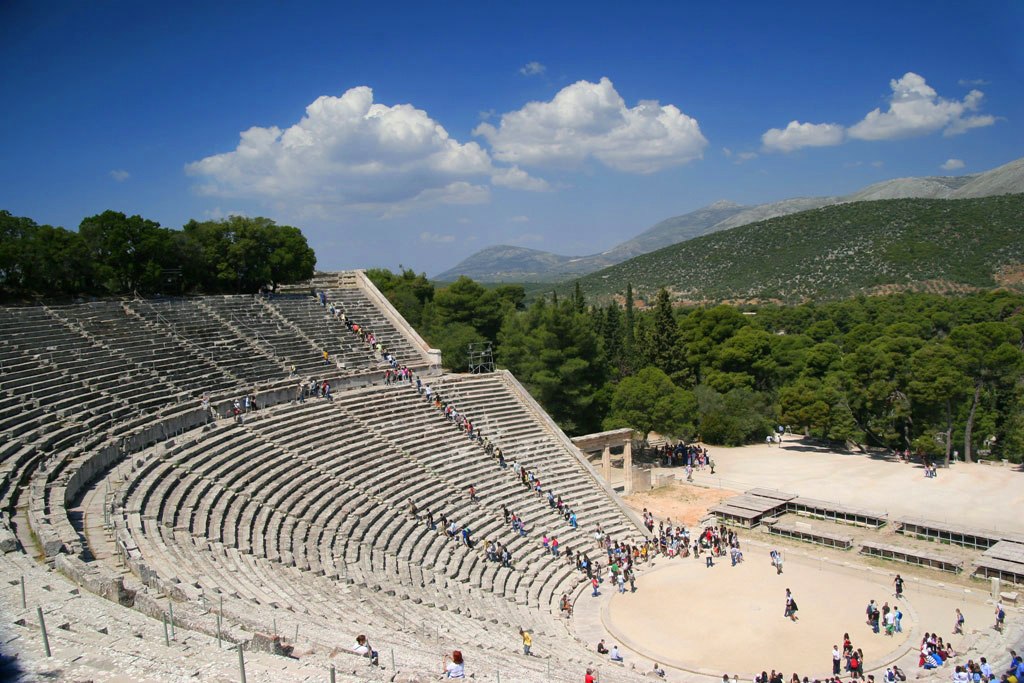
The Sanctuary of Asklepios at Epidaurus, located in the northeastern Peloponnese, is a UNESCO World Heritage Site renowned as one of the most important ancient healing centers in Greece. Dedicated to Asklepios, the god of medicine and healing, the sanctuary served as a pilgrimage site where the sick sought cures through rituals and treatments.
The site features numerous well-preserved structures, including the famous Theatre of Epidaurus, celebrated for its exceptional acoustics and capacity to seat approximately 14,000 spectators. The theatre is still used today for performances and cultural events. Other notable structures within the sanctuary include the Temple of Asklepios, where worship and healing took place, and various auxiliary buildings such as gymnasiums and hostels for visitors.
The complex reflects the significance of medicine in ancient Greek culture and showcases advanced architectural and engineering achievements. Visitors to the Sanctuary of Asklepios can explore its rich historical context and enjoy the serene natural surroundings of the site.
Temple of Apollo Epicurius at Bassae
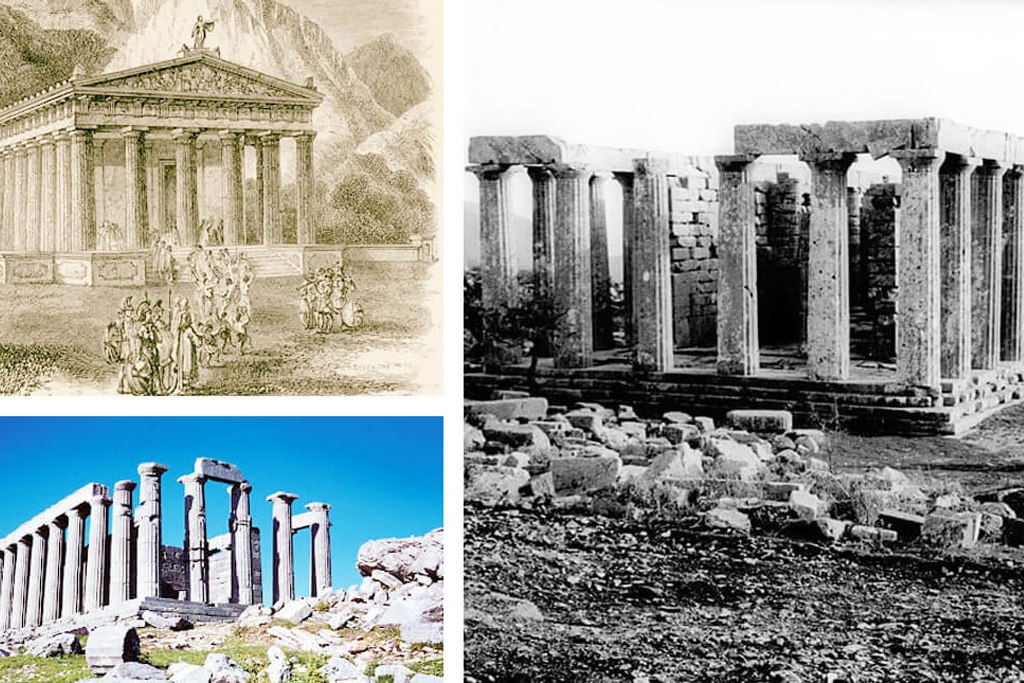
The Temple of Apollo Epicurius at Bassae, located in the mountainous region of Arcadia in the Peloponnese, Greece, is renowned for its exceptional architectural design and historical significance. Constructed around 450 BC, the temple was dedicated to Apollo Epicurius, who was worshipped here as a god of healing and relief from suffering.
Designed by the architect Ictinus, the temple is notable for its unique combination of architectural styles, incorporating elements of Doric, Ionic, and Corinthian orders. It is particularly distinguished by its frontal orientation and unusual placement on a remote mountaintop, which adds to its dramatic setting.
The temple features well-preserved sculptures, including metopes that depict scenes from mythology, and a frieze offering insight into ancient Greek religious practices. Recognized as a UNESCO World Heritage Site, the Temple of Apollo Epicurius is celebrated not only for its architectural innovation but also for its cultural importance, representing the intersection of art, religion, and healing in ancient Greek society. Visitors to the site can admire its impressive remains in a stunning natural landscape.[:el]
Αρχαιολογικός Χώρος του Μυστρά
Ο Αρχαιολογικός Χώρος του Μυστρά, κοντά στη Σπάρτη στη Λακωνία, αποτελεί Μνημείο Παγκόσμιας Πολιτιστικής Κληρονομιάς της UNESCO και είναι γνωστός για την εξαιρετικά διατηρημένη βυζαντινή αρχιτεκτονική και την ιστορική του σημασία. Ιδρύθηκε τον 13ο αιώνα και αναδείχθηκε σε σημαντικό πολιτιστικό και πολιτικό κέντρο κατά τη Βυζαντινή περίοδο, ιδιαίτερα υπό τη δυναστεία των Παλαιολόγων. Στο Μυστρά θα βρείτε εντυπωσιακά μνημεία όπως ο Ναός του Αγίου Δημητρίου και το Παλάτι των Δεσποτών. Οι επισκέπτες μπορούν να περιηγηθούν στα καλντερίμια του και να απολαύσουν μαγευτική θέα, ανακαλύπτοντας παράλληλα τον πλούτο της βυζαντινής ιστορίας και κουλτούρας.
Αρχαιολογικός Χώρος της Ολυμπίας
Η Ολυμπία, στην περιοχή της Ηλείας, είναι από τους σημαντικότερους αρχαιολογικούς χώρους παγκοσμίως, γνωστή ως η γενέτειρα των Ολυμπιακών Αγώνων. Αφιερωμένος στον Δία, ο χώρος περιλαμβάνει το εντυπωσιακό Ιερό του Δία, όπου βρισκόταν το κολοσσιαίο άγαλμα του θεού – ένα από τα Επτά Θαύματα του Αρχαίου Κόσμου. Η Ολυμπία φιλοξενούσε κάθε τέσσερα χρόνια αγώνες με τη συμμετοχή αθλητών από διάφορες ελληνικές πόλεις-κράτη από το 776 π.Χ. Διατηρούνται ακόμη το αρχαίο στάδιο, χώροι προπόνησης και ναοί, προσφέροντας μοναδική εικόνα της αρχαίας ελληνικής λατρείας και αθλητικής παράδοσης. Η Ολυμπία αποτελεί ζωντανή μαρτυρία της πολιτιστικής κληρονομιάς και της πνευματικής λάμψης της Αρχαίας Ελλάδας.
Αρχαιολογικοί Χώροι των Μυκηνών και της Τίρυνθας
Οι Μυκήνες και η Τίρυνθα, στην Αργολίδα, είναι σημαντικά κατάλοιπα του Μυκηναϊκού πολιτισμού (1600–1100 π.Χ.).
Οι Μυκήνες είναι διάσημες για την επιβλητική Πύλη των Λεόντων, τον μεγαλοπρεπή Θησαυρό του Ατρέα και τα κυκλώπεια τείχη. Υπήρξαν ισχυρό πολιτικό και εμπορικό κέντρο και συνδέονται με τις ομηρικές παραδόσεις και τον Αγαμέμνονα.
Η Τίρυνθα ξεχωρίζει για τα τεράστια κυκλώπεια τείχη της και τα παλατιακά της συγκροτήματα. Η στρατηγική της θέση την καθιστούσε κομβικό κέντρο της εποχής.
Και οι δύο χώροι είναι αναγνωρισμένοι από την UNESCO για τη συμβολή τους στην κατανόηση της προϊστορικής Ελλάδας και αποτελούν αγαπημένο προορισμό για λάτρεις της ιστορίας και της αρχαιολογίας.
Ιερό του Ασκληπιού στην Επίδαυρο
Το Ιερό του Ασκληπιού στην Επίδαυρο, στη βορειοανατολική Πελοπόννησο, ήταν το σημαντικότερο θεραπευτικό κέντρο της αρχαίας Ελλάδας, αφιερωμένο στον Ασκληπιό, θεό της ιατρικής. Οι ασθενείς επισκέπτονταν το ιερό για θεραπεία μέσω ιερατικών τελετουργιών και φυσικών θεραπειών.
Ο χώρος περιλαμβάνει το περίφημο Αρχαίο Θέατρο της Επιδαύρου, γνωστό για την εντυπωσιακή του ακουστική και τη χωρητικότητα των περίπου 14.000 θεατών – χρησιμοποιείται ακόμη για θεατρικές παραστάσεις. Άλλα σημαντικά κτίσματα είναι ο Ναός του Ασκληπιού, γυμναστήρια και ξενώνες. Το Ιερό αποτελεί απόδειξη της σημασίας της ιατρικής στην αρχαία ελληνική κουλτούρα και προσφέρει στους επισκέπτες μια πνευματική και αρχιτεκτονική εμπειρία μοναδική.
Ναός του Επικούριου Απόλλωνα στις Βάσσες
Ο Ναός του Επικούριου Απόλλωνα στις Βάσσες, στα ορεινά της Αρκαδίας, είναι ένα από τα πιο εντυπωσιακά αρχαία κτίσματα της Ελλάδας. Κατασκευάστηκε γύρω στο 450 π.Χ. από τον Ικτίνο, τον αρχιτέκτονα του Παρθενώνα, και ήταν αφιερωμένος στον Απόλλωνα Επικούριο – προστάτη της ίασης και της λύτρωσης.
Ο ναός συνδυάζει καινοτόμα στοιχεία των τριών αρχιτεκτονικών ρυθμών: Δωρικού, Ιωνικού και Κορινθιακού. Η μοναδική του τοποθεσία σε απομονωμένη κορυφή του όρους Κωτύλιο προσφέρει πανοραμική θέα και μία μυσταγωγική ατμόσφαιρα.
Τα γλυπτά του ναού και οι ανάγλυφες παραστάσεις απεικονίζουν σκηνές από τη μυθολογία και τη θρησκευτική ζωή των αρχαίων Ελλήνων. Ανακηρυγμένος Μνημείο Παγκόσμιας Κληρονομιάς από την UNESCO, ο ναός εντυπωσιάζει για την αρχιτεκτονική και πολιτιστική του σπουδαιότητα.[:]